1. What Makes Hospice Massage Different from Regular Massage
When someone you love is in hospice care, gentle touch can bring comfort that words cannot. Hospice massage is designed to provide peace and connection, focusing on easing emotional and physical discomfort rather than fixing muscles or treating injuries. This type of massage is very different from typical spa treatments or therapeutic massages.
Hospice massage uses extremely gentle pressure and specially adjusted techniques to suit the sensitive needs of patients nearing the end of life. Sessions are usually shorter—often lasting just 15 to 30 minutes—to match the patient’s stamina and comfort. Instead of focusing on deep tissue work or pain relief through intensive manipulation, the goal is simple comfort. Massages can be done with the patient lying in bed, sitting in a wheelchair, or in any position that supports their well-being.
Families are often taught simple, gentle techniques to provide comfort between professional visits. This helps extend the soothing effects of touch and keeps loved ones connected during challenging moments.
The Role of Touch in End-of-Life Care
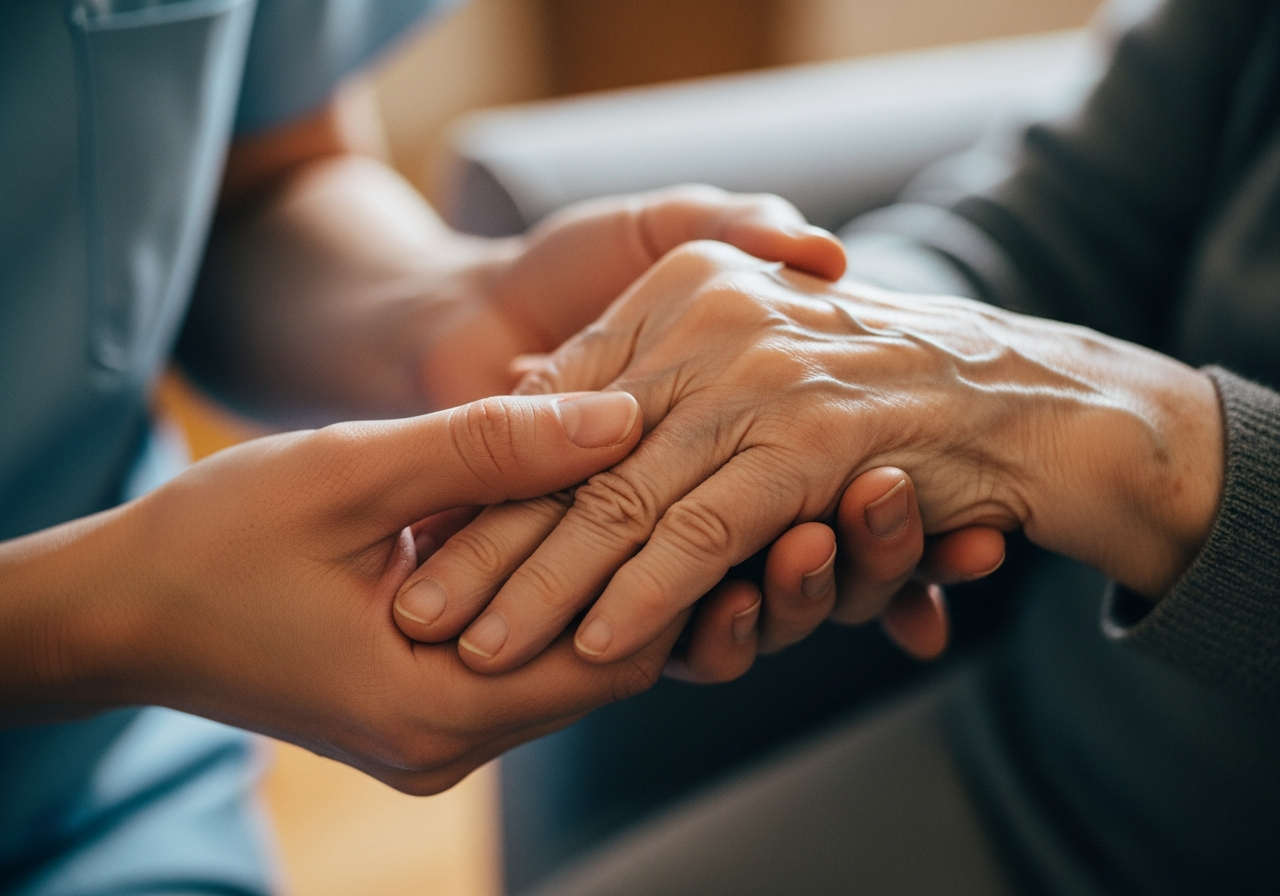
Touch plays a vital role in end-of-life care. It communicates care and presence without words. The human connection that gentle massage provides can help reduce anxiety, ease feelings of isolation, and even ease some physical discomforts such as muscle tension or restlessness. Hospice massage therapists are trained to be sensitive to these emotional and physical cues, offering comfort without overwhelming the patient.
This touch is often slow, deliberate, and mindful. It encourages calm and supports dignity. By avoiding strong pressure or invasive techniques, hospice massage relaxes the nervous system and can help patients feel more grounded during a difficult stage of life.
Who Can Receive Hospice Massage
Hospice massage is typically offered to patients who are under hospice care due to terminal illnesses. These patients may have conditions such as advanced cancer, heart failure, lung disease, or neurodegenerative disorders. The massage therapy is tailored to their specific medical needs and physical abilities.
Patients in hospice care are often fragile, with varying levels of energy and mobility. Hospice massage therapists evaluate each person’s condition before every session to ensure the touch suits their current state. Patients in bed, seated, or even those who are bedridden can receive massage safely with modified techniques.
In many cases, family members may also benefit indirectly by observing or participating in the massage process, learning ways to offer comfort simply through touch and presence. It becomes a shared experience, nurturing both the patient and their loved ones.
2. How to Find Qualified Hospice Massage Near Me
Finding the right hospice massage therapist can feel overwhelming. Not every massage professional knows how to work with patients facing life-limiting illnesses. To ensure gentle, compassionate care, begin your search with trusted sources who understand the unique needs of hospice patients.
A good first step is to ask the hospice team caring for your loved one. Hospice nurses, social workers, and chaplains often have recommendations for massage therapists who specialize in end-of-life care. Working with someone who collaborates closely with the hospice team ensures communication and care stay coordinated.
Look specifically for certified hospice massage therapists. Certification programs often include specialized training in anatomy, palliative care principles, and patient communication. This provides reassurance that the therapist understands safety, comfort, and the emotional aspects involved.
Another option is to check with local massage therapy schools. Some offer specialized training or clinics focused on hospice or palliative massage, and students may provide supervised sessions at lower costs. Hospitals with palliative care departments sometimes also offer massage services or can share contact information for trained therapists in your area.
Consider whether home visits are available. Many hospice patients cannot easily travel, so a therapist who comes to your home or facility is often necessary. Confirm this before booking to avoid unnecessary stress.
Questions to Ask Before Booking
- What hospice or palliative training do you have? This helps confirm their specialty knowledge.
- Are you comfortable working with current medical conditions? Be specific about your loved one’s diagnosis and limitations.
- How long are sessions, and what is your approach? Understand if their style aligns with gentle care.
- Can you accommodate home visits or bedside sessions? This ensures accessibility.
- Do you coordinate with the hospice team? Collaboration matters for safety and effectiveness.
Red Flags to Watch For
- Therapists who promise cures or dramatic improvements. Hospice massage aims for comfort, not cures.
- Lack of experience with fragile or seriously ill patients. Ask about their hospice or palliative history.
- Pressure to extend sessions or provide vigorous techniques. Overly forceful massage risks harm and discomfort.
- Unwillingness to coordinate with healthcare providers. Separate care teams can lead to safety risks.
3. What to Expect During a Hospice Massage Session
A hospice massage session looks nothing like a spa visit. Instead of bright rooms or soothing music, the session happens wherever the patient is most comfortable—often their own bed or a quiet chair. The therapist adapts to the patient’s physical surroundings and energy, with comfort as the only goal.
Before the session begins, the therapist usually checks in with the patient and family to understand how the patient is feeling that day. They confirm consent, ensuring the patient wants to receive the massage and is aware of how it will proceed. This respectful approach helps maintain dignity and trust.
Therapists are prepared to work around medical equipment such as IV lines, oxygen tubes, or monitoring devices. They use gentle positioning to avoid strain or pain. Sessions tend to focus on areas like the hands, feet, back, neck, or shoulders, places where light touch can provide soothing sensations.
Family members are often encouraged to stay during the massage. Their presence can be reassuring to the patient, and sometimes family members join in gentle hand-holding or learn simple rubbing techniques to use later. The therapist remains sensitive to the mood and energy fluctuations of the patient, adjusting pressure or stopping if needed.
Honoring the patient’s pace is critical. If the patient grows tired or restless, the therapist may shorten the session or shift to simple hand-holding. The goal is never to force or rush but to follow cues that signal comfort and peace.
Initial Assessment and Consent Process
At the beginning, the therapist asks about current symptoms, discomfort, and preferences. Patients or family members share relevant information about pain, anxiety, or physical limitations. Consent is ongoing, meaning the patient can stop the massage at any time. This fosters a feeling of control in a situation where much feels uncertain.
Session Environment and Adjustments
The massage is carefully tailored to the environment. Whether in a private home, hospice house, or hospital room, the therapist maintains a quiet, calm atmosphere. Soft blankets or pillows are used to support the patient comfortably. The therapist may use only their hands or sometimes gentle oils or lotions if tolerated.
Family Participation and Observations
Family engagement is common and encouraged during hospice massage. Watching a loved one receive caring touch can be reassuring and healing. Sometimes families learn simple strokes to use later, helping maintain a thread of connection between formal sessions. Therapists often take moments to provide guidance or support to family members, recognizing how emotionally challenging this time is.
Conclusion
Hospice massage near you provides a special kind of care focused on comfort and connection during the final stages of life. It is a gentle, supportive touch aimed at easing physical and emotional discomfort.
Finding a qualified hospice massage therapist involves working closely with your hospice team and asking the right questions to ensure compassionate, safe care. Sessions are adapted to the patient’s needs, taking place in comfortable settings with family involvement encouraged.
Start by reaching out to your hospice providers for recommendations. Discuss your loved one’s needs openly to find a therapist who can offer supportive touch. Remember, the aim is comfort and presence, not cure or intensive treatment.